
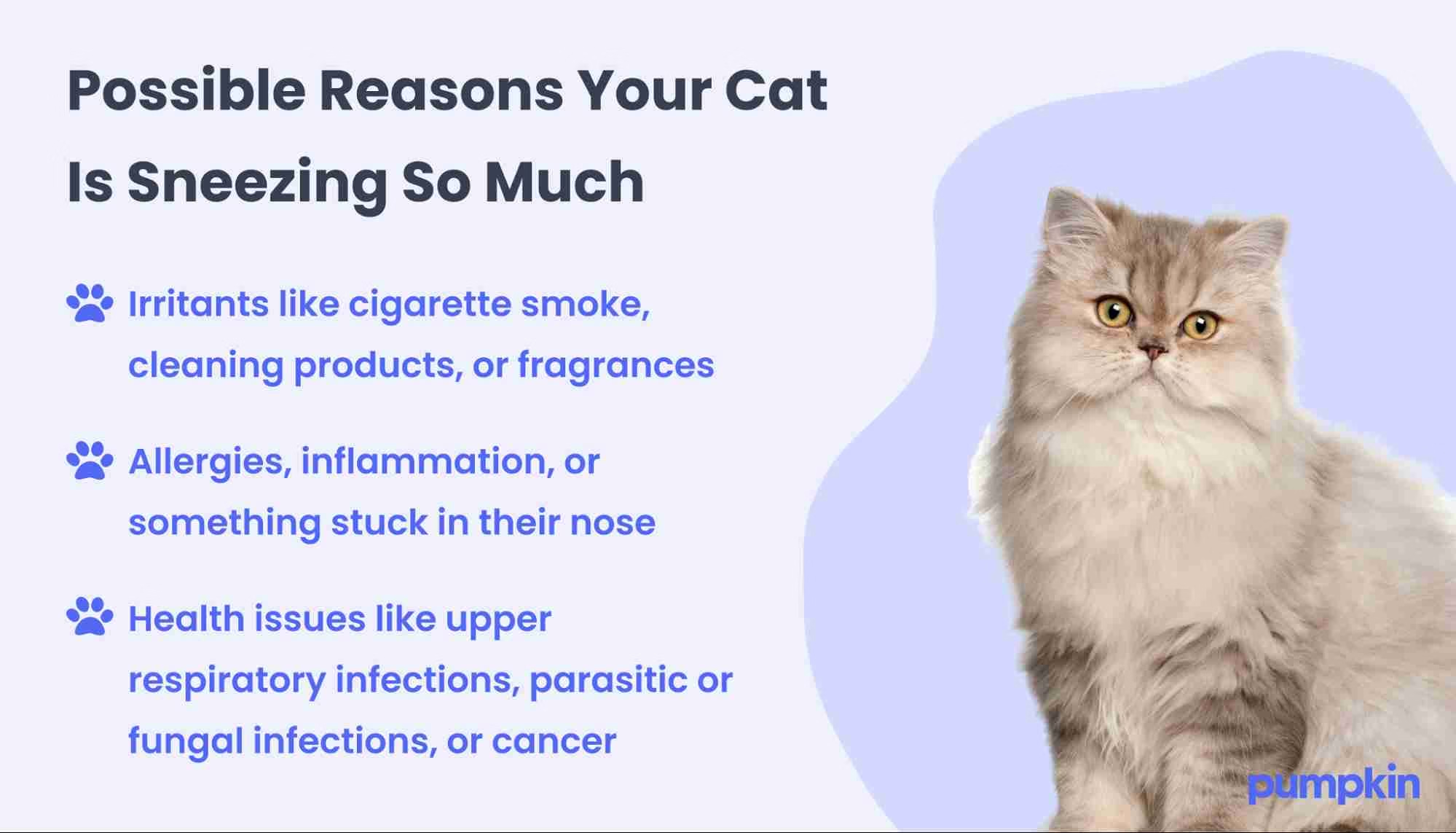
Dry Winter Air and Feline Respiratory Trouble
Your cat has been sneezing for three days straight, and the vet visit confirmed what you suspected: nothing serious, just a mild upper respiratory irritation made worse by the furnace running nonstop since October. The litter box smells sharper than usual, static crackles when you pet her, and she’s been pawing at her nose more than normal. This is the moment many cat owners start searching for ways to add moisture back into their homes, because the connection between bone-dry indoor air and a stuffy, sneezing cat is more direct than most people realize.
Cats don’t process dry air the same way humans do, but the irritation follows a similar pattern. Nasal passages and throat tissue rely on a thin layer of moisture to trap dust, dander, and viral particles before they settle deeper into the respiratory tract. When indoor humidity drops below roughly thirty percent, which happens in most heated homes during winter, that protective layer thins out fast. A cat already fighting a mild cold or an upper respiratory infection loses one of its natural defenses right when it needs it most, and symptoms that might have cleared in a few days can drag on for over a week instead.
Veterinarians who treat feline upper respiratory infections frequently mention environmental humidity as a factor in recovery time, particularly for older cats and kittens whose immune systems are still adjusting. It’s rarely the only cause of a cold, since viruses and stress play a bigger role in onset, but dry air can turn a mild case into something that lingers far longer than it should.
Keeping Moisture Levels Safe for Pets and People
Picking the right humidifier for a sick cat involves more than grabbing whatever’s on sale at the pharmacy. Ultrasonic models are popular because they’re quiet, but they can spray fine mineral dust into the air if you’re using hard tap water, and that dust settles on surfaces cats groom themselves near. Warm mist humidifiers raise safety concerns in homes with curious paws and tails, since a knocked-over unit full of near-boiling water is a real hazard. Evaporative humidifiers tend to be the safer middle ground, pulling room-temperature water through a wick without creating surfaces hot enough to cause burns.
Placement matters just as much as the type of unit. A humidifier running in a closed bedroom does little good for a cat that spends most of its day in the living room or kitchen, so the room where your cat naps, eats, and rides out its cold needs to be the priority. Many owners find that running a unit in a central, open area for several hours a day raises ambient humidity enough to ease nasal congestion without turning the whole house into a sauna. Cracking the door to that room, rather than sealing it shut, helps the moisture spread without trapping stale air.
Getting the humidity level right takes more attention than setting a dial and walking away. Too little moisture leaves nasal passages dry and irritated, but too much encourages mold and dust mites that can trigger their own respiratory symptoms in cats and in the people living with them. A hygrometer near the unit gives a clear reading, and keeping that number in the forty to fifty percent range tends to strike the right balance for most multi-pet households. Owners managing a cat’s cold often look at options built specifically with pet safety and easy cleaning in mind, and a cat humidifier relief setup designed around those needs tends to simplify what can otherwise feel like guesswork.
Indoor air quality guidance aimed at adults in workplaces isn’t written with cats in mind, but the underlying science about humidity ranges and airborne irritants still applies at home. The NIOSH occupational air quality standards outline similar humidity targets for reducing respiratory irritation in enclosed spaces, which lines up closely with what veterinarians recommend for sick pets recovering indoors. Mucous membranes, whether in a human nose or a cat’s nasal passage, respond to moisture levels in comparable ways, and the same dry air that leaves people with cracked lips is doing the same thing to the cat curled up on the couch.
Cleaning the humidifier matters just as much as running it. A tank that sits unwashed for a week can grow bacteria and mold that get aerosolized right back into the room your sick cat is resting in, undoing whatever benefit the added moisture was supposed to provide. Rinsing the tank every two to three days and doing a deeper clean with diluted vinegar weekly keeps the unit from becoming its own hazard. For a cat already working through a cold, a clean, well-placed humidifier running at a sensible humidity level tends to shorten the rough patch rather than extend it.