

A cough that lasts longer than expected can be tiring and worrying. Breathlessness can feel even more unsettling, especially when it affects walking, sleep, work, or daily tasks. These health indicators can have many causes. Some are mild and settle with time, while others need closer review.
A chest CT can be considered when the problem persists, is difficult to explain, or is associated with other risk factors. It provides detailed views of the lungs and surrounding areas, helping doctors assess parts of the body that are harder to evaluate during a routine visit alone. This does not mean every cough or episode of breathlessness needs imaging. In some cases, further testing can guide better care decisions.
Why a Persistent Cough or Breathlessness Should Be Checked
Coughing is common after colds, flu, or respiratory illness. Shortness of breath can also happen after illness, during stress, or after a period of low fitness. However, problems that last for several weeks, keep returning, or get worse should not be ignored.
A long-lasting cough may be dry or phlegmy. It can appear at night, after activity, or throughout the day. Breathing difficulty may feel like tightness or a feeling of not being able to take in enough air. These issues can affect quality of life, even when the cause is not serious.
It is best to speak with a doctor or suitable clinician if the problem continues, changes, or starts to affect normal activity. They can ask about your background, look for warning signs, and decide whether tests are needed.
Common Reasons a Further Review May Be Needed
Cough and breathlessness can be caused by many factors. These include a recent respiratory illness, asthma, smoking background, long-term lung conditions, allergies, reflux, heart-related concerns, or inflammation in the lungs. Some people also need additional assessments due to age, work exposure, family background, or prior illness.
Routine checks have value, but they do not answer every question. The NHS health check programme is one example of how public care supports risk review for some adults. It looks at wider risks such as heart disease, stroke, diabetes, and kidney disease. A person with ongoing respiratory concerns, however, may still need a separate evaluation based on their own symptoms and background.
National sources such as the Health Survey for England data also show why lifestyle, long-term conditions, and concerns matter for public health. For one person, the next step depends on symptoms, examination, and doctor-led advice.
What a CT Scan Can Show
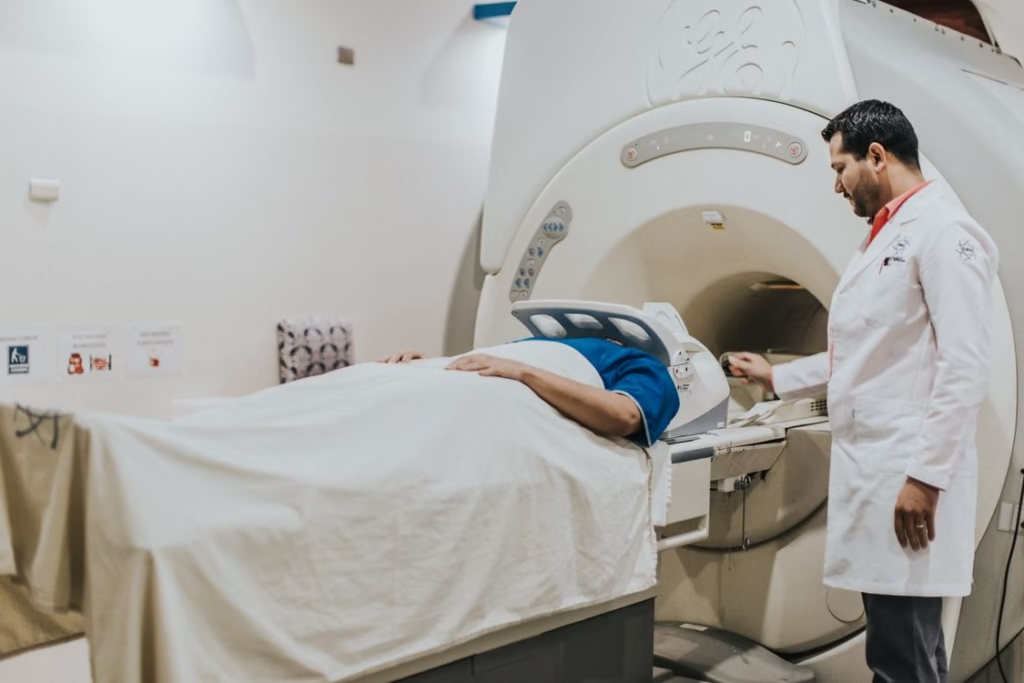
A CT scan combines X-rays with computer processing to show detailed images of tissues, organs, and other structures inside the body. For breathing-related concerns, this test can assess the lungs, airways, blood vessels, and nearby areas. It can sometimes reveal changes that are not apparent on basic screenings.
This form of imaging may be used after a doctor’s visit, after an abnormal X-ray, or when the cause remains uncertain. It can also be suitable when risk factors make a closer review sensible.
The test session is usually quick. A person may be asked to lie still while the scanner takes images. In some cases, contrast dye is used to make certain areas easier to see. The clinic should explain this before the visit if it is needed.
When a Chest CT May Be Recommended
A chest CT may be recommended when a cough persists beyond the expected duration, when shortness of breath worsens, or when earlier test results do not explain the symptoms. It can also help assess chest pain, repeated respiratory illness, unusual breath sounds, weight loss, coughing up blood, or an abnormal X-ray.
The pattern of the problem matters. Does it happen during exercise? Does it wake the person at night? Is it linked to work, smoking, allergies, or illness? Has it changed over time? These details can help a clinician decide whether imaging is suitable.
A CT test should not be used as a guesswork tool. It should be chosen for a clear care-related reason. The results should then be evaluated by a trained specialist and shared with the person in clear language.
How Private Diagnostic Support Can Fit In
Some people choose private diagnostic support when they want quicker access to testing or a simpler route to a written report. This may be appropriate when breathing issues affect daily life, and the person wants more information to discuss with their doctor or consultant.
For example, Vista Health is one provider that offers private diagnostic services for patients who need access to scans and reporting. This should sit alongside proper care advice, not replace it.
The written report should explain what has been found, whether any follow-up is needed, and what should be discussed next. If the result is unclear or raises concerns, the person may need further care from a doctor, consultant, or hospital team.
How to Prepare Before Booking or Attending

Before booking, gather relevant details about the problem. Note when the cough or breathlessness started, whether it is getting worse, and what makes it better or harder to manage. It may also help to write down smoking history, past respiratory illness, work exposure, medication, allergies, and any family background of lung or heart conditions.
People should also bring or share past test results. This may include chest X-rays, blood tests, earlier imaging reports, or doctors’ notes. These details help the care team understand the reason for the visit.
Before attending, ask how long the test will take, whether contrast dye is needed, when the written report will be ready, and who will explain the results. These simple questions can make the process easier to manage.
When to Seek Urgent Advice
Some warning signs need urgent care. Seek medical help quickly if breathlessness is severe, sudden, or worsening rapidly. The same applies if there is chest discomfort, coughing up blood, blue lips, fainting, confusion, or severe weakness.
A cough that does not settle or mild shortness of breath does not always indicate a serious problem. Still, these changes should be reviewed if they do not settle or affect daily life. Safe care starts with taking new or lasting respiratory symptoms seriously and getting the right advice at the right time.
Making an Informed Choice About Breathing Symptoms
Persistent cough and breathlessness can come from many causes. Some are short-term and treatable, while others need further examination. A CT scan may be appropriate when there is a clear care-related reason and earlier checks have not answered the question.
The right test should always depend on the person’s symptoms, background, and professional advice. With clear testing reasons and a well-explained report, people can better understand their next steps and make informed choices about their care.