
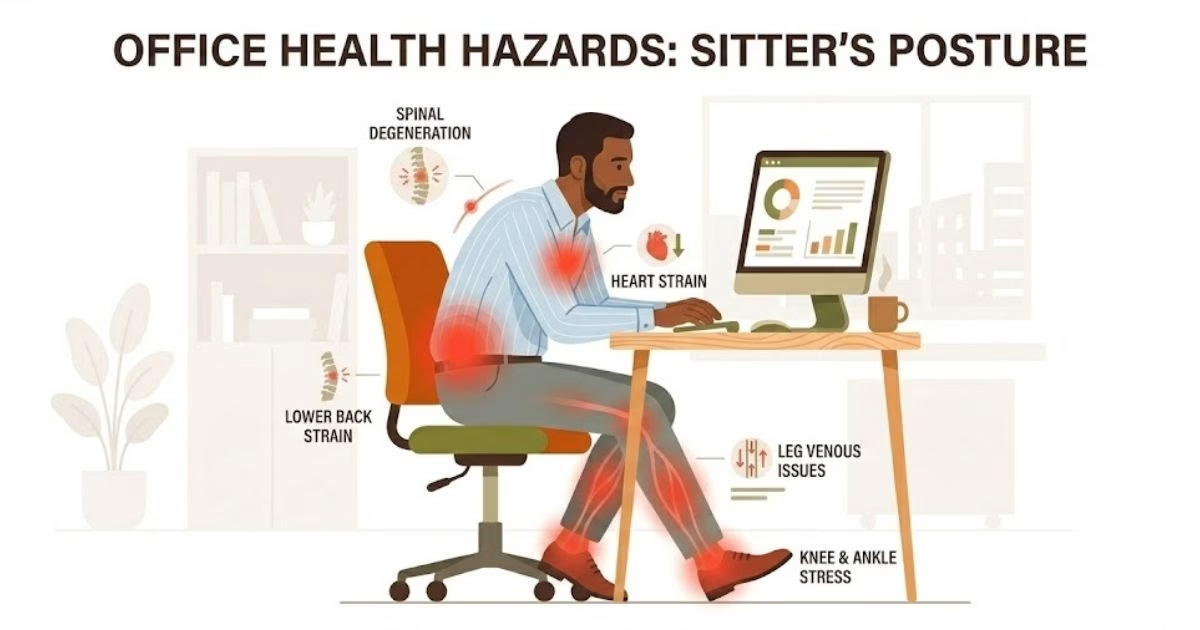
The wellhealthorganic.com:health-hazards-of-prolonged-sitting guide highlights one of the biggest yet most ignored health threats of modern life. Millions of Indians, from IT professionals in Bengaluru to students in Delhi, sit for 8 to 12 hours daily, silently damaging their spine, heart, and metabolism.
Sedentary lifestyle, musculoskeletal disorders, cardiovascular disease, and insulin resistance are directly linked to excessive sitting. This article breaks down every health risk and gives you practical, India-friendly solutions to fight back.
Quick Facts: Prolonged Sitting at a Glance
| Factor | Detail |
| Average Indian office worker sits | 8–12 hours per day |
| Recommended sitting break | Every 30–45 minutes |
| Risk increase for heart disease | Up to 147% with excess sitting |
| Back pain prevalence in India | Affects 60% of desk workers |
| Calories burned sitting vs standing | ~80 cal/hr vs ~100 cal/hr |
| WHO classification | Physical inactivity is the 4th biggest killer globally |
Why Prolonged Sitting Is a Silent Health Killer
Most Indians do not realise that sitting for too long is as dangerous as smoking. Research from AIIMS and global health bodies like the World Health Organization (WHO) confirms that a sedentary lifestyle increases the risk of over 30 chronic diseases.
When you sit for hours without moving, your body’s natural processes slow down. Blood circulation drops, muscles weaken, and your lymphatic system struggles to flush toxins. The wellhealthorganic.com:health-hazards-of-prolonged-sitting resource correctly identifies this as a lifestyle disease epidemic quietly spreading across urban India.
The problem is especially severe in India due to the growth of the IT sector, call centres, online education, and work-from-home culture post-COVID. Cities like Pune, Hyderabad, and Chennai see the highest rates of sitting-related health complaints.
Top Health Hazards of Prolonged Sitting
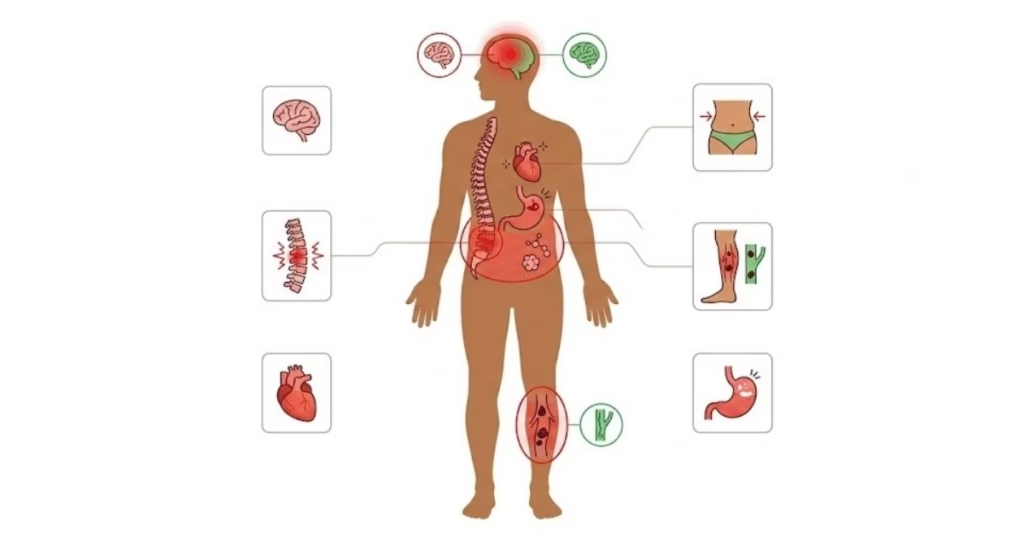
1. Back Pain and Spinal Damage
Sitting for long periods puts enormous pressure on your lumbar spine and intervertebral discs. Poor posture, hunching over a laptop or mobile phone, makes it far worse.
- Weakens core muscles and spinal erectors
- Causes herniated discs and sciatica over time
- Leads to chronic lower back pain (LBP), seen in 60% of Indian desk workers
- Stiffens the hip flexors, creating postural imbalance
2. Cardiovascular Disease
The wellhealthorganic.com:health-hazards-of-prolonged-sitting article rightly flags heart health as a major concern. When you sit, your leg muscles stop contracting, which slows blood flow and causes triglyceride and LDL cholesterol levels to rise.
- Increases risk of hypertension (high blood pressure)
- Reduces HDL (good cholesterol) by up to 22%
- Raises risk of deep vein thrombosis (DVT)
- Prolonged sitting is linked to 147% higher risk of heart disease
3. Type 2 Diabetes and Insulin Resistance
India is already the diabetes capital of the world, and sitting all day makes it worse. Physical inactivity impairs glucose metabolism and leads to insulin resistance, even in young people in their 20s and 30s.
- Sitting after meals spikes blood sugar levels
- Reduces GLUT4 activity (the protein that processes sugar)
- Increases risk of metabolic syndrome
4. Obesity and Weight Gain
One of the most visible health hazards of prolonged sitting is unexplained weight gain. Sitting burns very few calories while slowing your basal metabolic rate (BMR). Fat accumulation around the abdomen, called visceral fat, is especially dangerous.
- Excess visceral fat linked to fatty liver disease (very common in India)
- Increases risk of obesity-related conditions like PCOD and thyroid issues
- Leads to poor body composition even in people who eat healthy
5. Mental Health Problems
Many Indians overlook the mental toll of sitting all day. Physical inactivity is directly linked to depression, anxiety, and poor cognitive function. Sitting for long hours reduces serotonin and dopamine production, the brain chemicals that keep you happy and focused.
- Increases feelings of fatigue, brain fog, and low motivation
- Worsens stress and burnout, especially in IT and BPO workers
- Reduces creative thinking and problem-solving ability
6. Digestive and Gut Health Issues
Sitting right after meals or for extended periods compresses your digestive organs. This slows down gut motility, the movement of food through your digestive tract, and contributes to several problems common in India.
- Constipation, bloating, and acid reflux (GERD)
- Increased risk of colon cancer with sedentary lifestyle
- Slows digestion and nutrient absorption
7. Deep Vein Thrombosis (DVT) and Poor Circulation
Sitting cuts off proper blood circulation to the legs. This can cause blood clots to form in deep veins, a condition known as DVT. In severe cases, these clots can travel to the lungs and become life-threatening.
- Risk increases significantly during long train or flight journeys
- Causes swollen ankles and varicose veins
- Cold feet and numbness are early warning signs
Health Risks by Sitting Duration
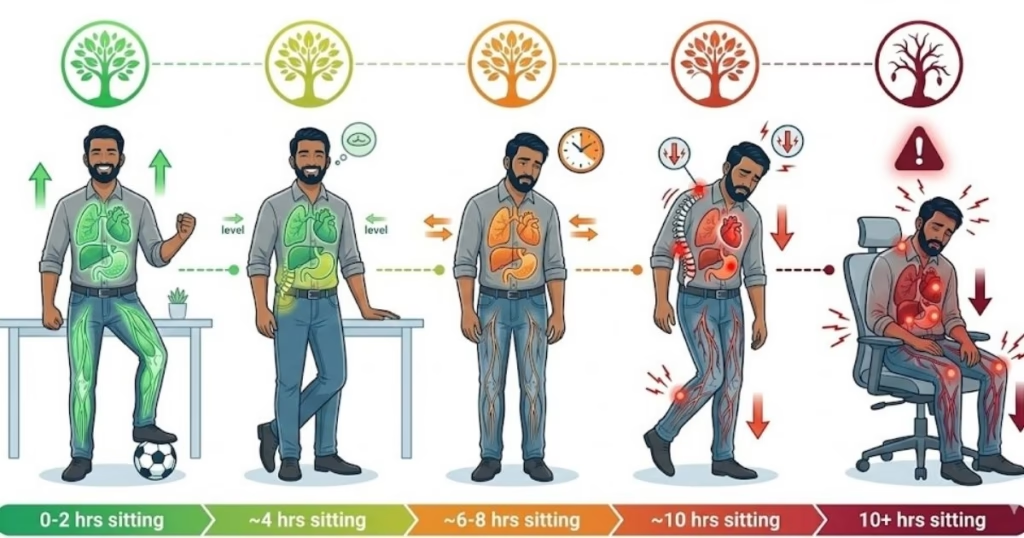
| Daily Sitting Hours | Health Risk Level | Common Symptoms |
| Less than 4 hours | Low | Minimal risk if active otherwise |
| 4–6 hours | Moderate | Mild back stiffness, fatigue |
| 6–8 hours | High | Back pain, weight gain, poor focus |
| 8–10 hours | Very High | Increased heart & diabetes risk |
| 10+ hours | Severe | Chronic disease, DVT, depression |
How to Reduce the Health Hazards of Prolonged Sitting
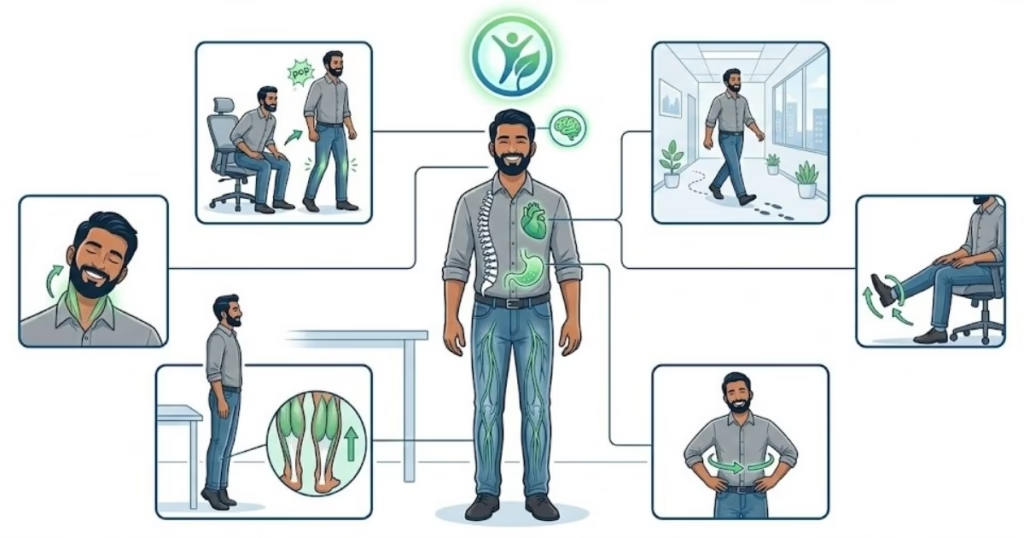
The good news is, you don’t have to quit your job or buy expensive equipment to fight these risks. Small, consistent habits can dramatically reduce the wellhealthorganic.com:health-hazards-of-prolonged-sitting risks.
Simple Daily Habits to Start Today
- Stand up and walk for 5 minutes every 30–45 minutes
- Use a standing desk or laptop riser (affordable options on Flipkart/Amazon India)
- Do office yoga stretches for neck, back, and hips
- Take phone calls while walking, a great Indian productivity hack
- Use stairs instead of lifts whenever possible
- Set a phone reminder every hour to move and stretch
Best Exercises That Counter Sitting Damage
| Exercise | Target Area | Duration |
| Hip flexor stretch | Hip and lower back | 30 seconds each side |
| Cat-cow pose (Marjaryasana) | Spine and core | 10 reps |
| Wall squats | Legs and glutes | 3 sets of 15 |
| Neck rolls | Cervical spine | 5 reps each direction |
| Seated twist (Ardha Matsyendrasana) | Spine and digestion | 30 seconds each side |
| Calf raises at desk | Circulation in legs | 20 reps, 3 times a day |
India-Friendly Diet Tips
What you eat matters a lot when you sit all day. Here are some easy adjustments:
- Eat smaller, more frequent meals to prevent blood sugar spikes
- Add more fibre through dal, sabzi, and whole grains to aid digestion
- Drink jeera water or ajwain water to reduce bloating
- Avoid heavy lunches before long sitting hours, switch to lighter tiffin options
- Stay well hydrated, dehydration worsens fatigue and joint stiffness
What WellHealthOrganic.com Says About Sitting Risks
The wellhealthorganic.com:health-hazards-of-prolonged-sitting resource is one of the most comprehensive Indian health guides on this topic. It correctly links sedentary behaviour to India’s rising burden of non-communicable diseases (NCDs) like heart disease, diabetes, and cancer.
WellHealthOrganic.com emphasises a holistic approach, combining Ayurvedic principles, modern medical research, and practical lifestyle advice. Their content on wellhealthorganic.com:health-hazards-of-prolonged-sitting is especially useful for Indian readers because it accounts for our unique working conditions, food habits, and cultural context.
They rightly point out that even regular gym-goers can suffer from sitting-related health issues if they spend the rest of their day inactive. This concept, called active couch potato syndrome, is very relevant for Indians who exercise in the morning but sit for 10 hours at work.
Final Thoughts and Experience
Having covered health and wellness for the Indian audience for years, the health hazards of prolonged sitting are something I have seen firsthand, from constant back pain among young IT professionals to diabetic diagnoses in people in their early 30s.
The most eye-opening change is simply getting up more often. After switching to movement breaks every 45 minutes, energy levels, focus, and digestion improve noticeably within just 2–3 weeks. It costs nothing. The simplest wellhealthorganic.com:health-hazards-of-prolonged-sitting solution? Move. Every. Hour.
India’s healthcare burden is already overwhelming our system. Prevention is the only realistic solution. Start small, stand during your next phone call, stretch after lunch, take the stairs. Your body will thank you years later.
Frequently Asked Questions (FAQs)
Q1. What are the main health hazards of prolonged sitting?
The main health hazards of prolonged sitting include back pain, cardiovascular disease, type 2 diabetes, obesity, depression, digestive issues, and DVT. Even 6–8 hours of daily sitting puts you at serious risk.
Q2. How many hours of sitting per day is too much?
Sitting for more than 6 hours a day is considered high risk. The WHO recommends breaking sitting time every 30–45 minutes with movement, regardless of total hours.
Q3. Can sitting too long cause death?
Yes. Research shows that prolonged sitting increases all-cause mortality, including deaths from heart disease, stroke, and cancer. Sitting for 10+ hours daily can shorten lifespan even in physically active people.
Q4. Is standing all day better than sitting?
Not entirely. Standing all day causes its own problems like varicose veins and knee pain. The best approach is to alternate between sitting, standing, and moving throughout the day, as recommended by wellhealthorganic.com:health-hazards-of-prolonged-sitting guidelines.
Q5. What are easy desk exercises for Indian office workers?
The most practical exercises include neck rolls, seated spinal twists, calf raises, shoulder shrugs, and hip flexor stretches. Even a 5-minute walk to the pantry counts as beneficial movement.
Q6. Does sitting after eating cause weight gain?
Yes. Sitting immediately after eating slows digestion and glucose metabolism, leading to higher blood sugar spikes and increased fat storage. A 10-minute walk after meals significantly reduces this risk.
Q7. How does wellhealthorganic.com help with sitting hazards?
The wellhealthorganic.com:health-hazards-of-prolonged-sitting guide provides comprehensive, India-relevant information on risks, prevention, exercises, and diet changes. It combines modern science with Ayurvedic wellness principles, making it ideal for Indian readers.