
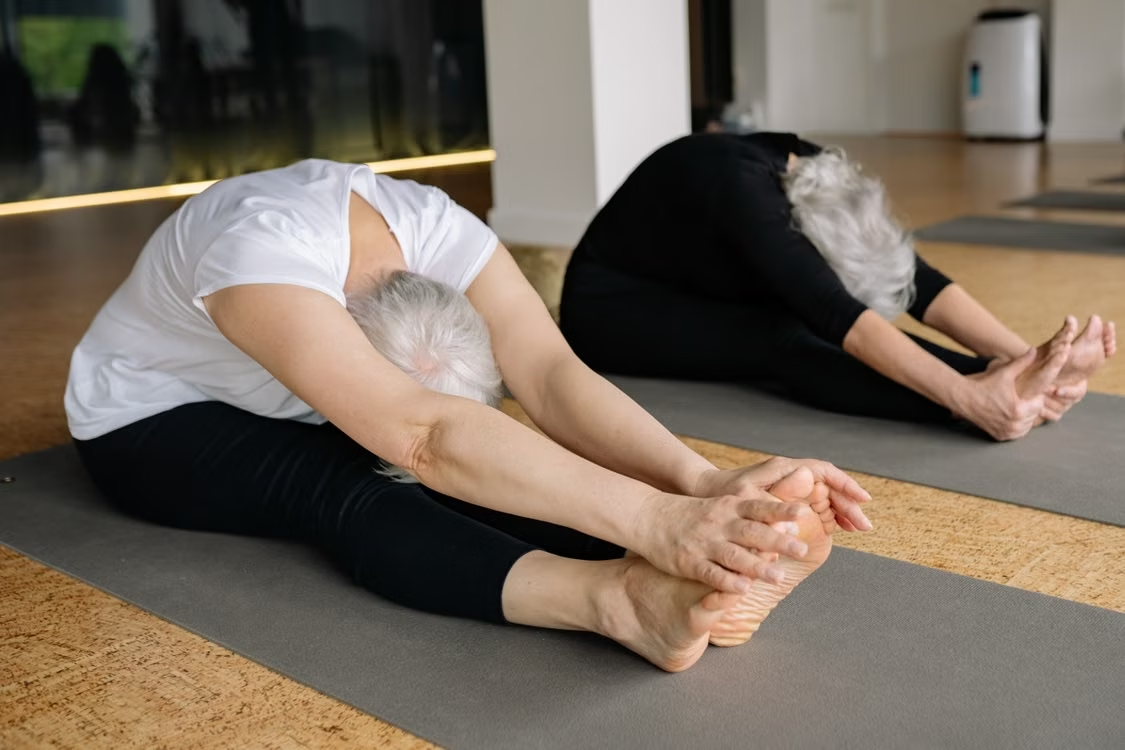
Daily habits shape how the body feels and moves. The way people sit, walk, work, exercise, and recover can affect their joints and muscles over time. Small routines repeat every day. Over time, they can change comfort, flexibility, and mobility.
The Journal of Osteopathic Medicine covers osteopathic care, movement, and musculoskeletal health. These studies help explain how the body works. They can also help people make better choices about their health and movement.
How Daily Habits Affect Joint Health
Joints allow the body to move through everyday activities. They work together with muscles, ligaments, tendons, and other tissues. Together, these parts let the body walk, bend, reach, and lift.
The body adapts well to different activities. But repeated strain, limited movement, or poor recovery can affect how certain areas work. These changes often happen slowly. That is why people may not notice them right away.
Someone who sits at a desk for many hours may notice stiffness. It often shows up in the neck, shoulders, hips, or lower back. People in physically demanding roles face a different risk. Lifting, standing, or carrying tasks can place repeated stress on certain joints.
Daily habits do not always cause problems on their own. The risk grows when the same patterns continue for long periods. Over time, these patterns can change how the body moves and handles physical demands.
The Effects of Long Periods of Sitting
Many people spend much of their day sitting. Office work, driving, studying, and leisure time all add up. Together, they leave less time for moving during the day. Sitting itself is a normal part of life. The real concern comes from staying in one position for too long. Regular movement is what breaks that pattern.
When the body stays still for a long time, some muscles become less active. Other areas end up doing more work. This shift can lead to stiffness or discomfort.
Small changes can help. Standing regularly, changing positions, and taking short walks can reduce the effects of prolonged sitting. Desk workers can also check their workspace. A screen set too low, an unsuitable chair, or too few breaks can all affect comfort in the neck, shoulders, and back.
How Repeated Movements May Affect the Body
Many daily activities involve repeated movements. Common examples include typing, gardening, cleaning, lifting, and repairing things. When the same muscles and joints work repeatedly, they face rising demand. Over time, this can change movement patterns. It may also add to discomfort.
Repeatedly lifting objects from one side puts more pressure on certain areas. A person who repeats the same task at work each day can build movement habits without even noticing.
This doesn’t mean you should always avoid repeated movements. Many are simply part of normal life and work. Changing position, using safe methods, and taking time to recover can all help reduce the extra strain.
Looking at the Whole Body
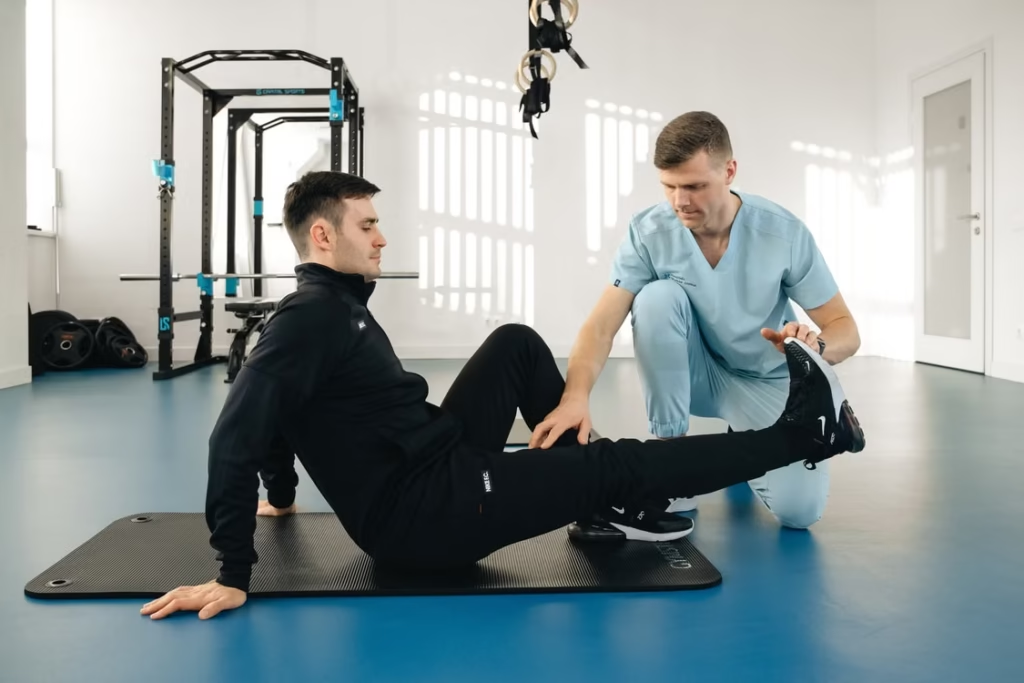
Joint discomfort doesn’t always start where you feel it. The body works as one connected system. One area can affect another through shared movement patterns and function.
Reduced movement in one joint can force another area to work harder. A change in walking style can affect the hips, knees, or lower back. Limited shoulder movement can also affect the neck and upper back.
This is why daily habits and movement patterns matter. Seeing how different areas of the body work together can help explain what may be causing the discomfort.
How Osteopathic Assessment Considers Daily Habits
An osteopathic assessment usually starts with a conversation. The osteopath asks about your symptoms, health history, lifestyle, and daily activities. This helps them understand your health and how your routine may affect the way you move.
The osteopath may ask about your work, exercise, sleep, and past injuries. They will also ask which movements bring on your symptoms. They may also check your posture, joint movement, and muscle function. They look at how different parts of the body work as a team.
The NHS explains the benefits and safety points of osteopathy. Osteopathic care starts with an assessment of your symptoms, movement, and general health. It may then involve treatment for problems in the muscles, bones, and joints.
Osteopaths are regulated healthcare professionals in the UK. Their training covers assessing, diagnosing, and treating certain musculoskeletal conditions. They can also point you towards further medical advice if another healthcare professional needs to get involved.
How Movement Supports Long-Term Mobility
Mobility means how easily a person can move their joints through their normal range. Good mobility makes daily life easier. Walking, climbing stairs, reaching, and keeping your balance all depend on it.
Regular movement helps keep the body active. This does not mean everyone needs intense exercise. Gentle stretching, walking, and suitable strength work can all support movement.
The right activity depends on the person. Someone recovering from an injury has different needs from someone who already exercises often.
Avoiding movement entirely because of mild discomfort can sometimes worsen stiffness. Gradual movement that matches a person’s own ability often works better. It can help maintain both confidence and function.
How Sleep, Stress, and Recovery Influence Joint Comfort
Movement is not the only factor in joint health. Sleep, stress, and recovery also shape how the body handles daily demands.
Poor sleep can affect how well the body recovers after activity. Stress adds to this by building muscle tension, especially around the neck and shoulders.
Stressed people often hold tension without realising it. They may change their posture, move less, or fall into habits that place extra demand on certain areas.
The body needs enough time to recover to maintain good physical health. Resting after demanding activity lets muscles and joints adjust properly.
A balanced routine supports mobility over time. Regular movement, enough rest, and awareness of physical changes all help the body stay active and comfortable.
Practical Ways to Support Joint Health

Small changes to daily habits can support better movement and comfort. A few useful steps include:
- Taking regular breaks from sitting
- Changing position throughout the day
- Using safe lifting methods
- Keeping up a suitable level of activity
- Paying attention to changes in stiffness or discomfort
- Allowing enough time to recover after physical tasks
These steps look simple, but consistency is what makes them work. Small habits repeated over time can shape how the body handles everyday demands.
Everyone has different needs, though. A routine that suits one person well may not suit another.
When Professional Advice May Be Useful
Mild stiffness can follow extra activity, long periods of sitting, or a change in your daily routine. That kind of stiffness is common and often passes on its own. Ongoing discomfort, recurring symptoms, or changes in mobility are different. These may call for professional advice.
An assessment can review your symptoms, daily habits, and movement patterns. It can also help identify whether certain activities or routines feed into the concern.
Seeking professional advice does not always mean something serious is wrong. It simply helps you understand what may be happening. It can also point you towards options that suit your situation.
If you are looking for local care, clinics such as Arc Osteopathy offer osteopathic appointments. They support people dealing with musculoskeletal concerns.
Supporting Mobility Through Everyday Choices
Joint health follows the habits people practise each day. How a person moves, works, rests, and recovers all shape how the body feels over time.
Mobility does not rest on a single action. It builds from steady attention to movement, safe physical habits, and awareness of changes in comfort.
Knowing how daily routines affect the body helps people make small changes that support movement and wellbeing. If concerns continue or daily tasks start to feel harder, professional advice can help. It can explain the options and what to consider next.