
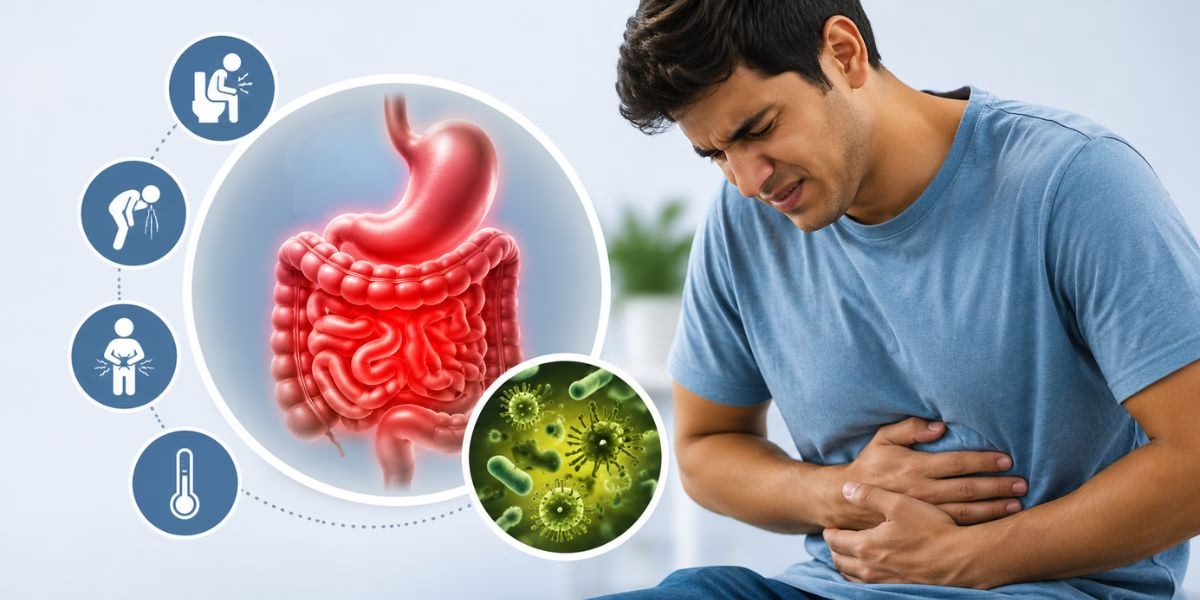
Stomach infections are among the most common health concerns in India, especially during monsoon seasons and periods of poor food hygiene. Many people experience sudden diarrhea, vomiting, and stomach cramps without realizing that these symptoms may indicate gastroenteritis. As a result, searches for wellhealthorganic.com : key signs of gastroenteritis have increased as people look for reliable information about this digestive condition. This guide explains the symptoms, causes, treatment options, prevention strategies, and recovery tips related to gastroenteritis in a simple and informative manner.
What Is Gastroenteritis?
Gastroenteritis is an inflammation of the stomach and intestines. It is commonly called the stomach flu, although it is not related to influenza.
The condition usually develops because of viral, bacterial, or parasitic infections. Consequently, it can cause digestive symptoms that range from mild discomfort to severe dehydration.
Understanding wellhealthorganic.com : key signs of gastroenteritis helps individuals recognize the condition early and seek appropriate care.
Understanding wellhealthorganic.com : key signs of gastroenteritis
The phrase wellhealthorganic.com : key signs of gastroenteritis refers to the common warning signs that indicate inflammation or infection of the digestive tract.
Recognizing these symptoms early is important because untreated gastroenteritis may lead to dehydration and nutritional deficiencies. Furthermore, children and older adults are often more vulnerable to complications.
How Common Is Gastroenteritis in India?
Gastroenteritis is a major public health concern across India. Contaminated food, unsafe drinking water, and poor sanitation contribute significantly to infection rates.
Cases often increase during summer and monsoon seasons. Additionally, crowded environments such as schools, hostels, and workplaces can facilitate the spread of infectious organisms.
The Most Important Signs of Gastroenteritis
Several symptoms are commonly associated with gastroenteritis.
The most recognized signs include:
- Frequent diarrhea
- Nausea
- Vomiting
- Abdominal pain
- Stomach cramps
- Fever
- Fatigue
- Loss of appetite
These symptoms may appear suddenly and can vary in severity depending on the cause of the infection.
Diarrhea: The Most Common Warning Sign
Diarrhea is often the first symptom of gastroenteritis. It occurs when the intestines cannot absorb fluids properly.
People may experience frequent loose or watery stools throughout the day. Consequently, the risk of dehydration increases significantly if lost fluids are not replaced.
Among all symptoms mentioned in wellhealthorganic.com : key signs of gastroenteritis, diarrhea remains the most common.
Nausea and Vomiting
Nausea is the uncomfortable feeling that often precedes vomiting. Many patients experience both symptoms simultaneously.
Vomiting can make it difficult to keep fluids and food down. Therefore, maintaining hydration becomes a critical aspect of recovery.
Persistent vomiting should never be ignored, especially in children and elderly individuals.
Stomach Pain and Abdominal Cramps
Abdominal discomfort is another hallmark symptom of gastroenteritis. The digestive tract becomes irritated due to infection or inflammation.
Patients often describe the pain as cramping, twisting, or squeezing sensations. These symptoms may worsen after eating.
Understanding these discomforts is an important aspect of wellhealthorganic.com : key signs of gastroenteritis.
Fever and Chills
Many infections trigger the body’s immune response, leading to fever.
A mild fever is common in viral gastroenteritis. However, high fever may indicate a more serious bacterial infection.
Chills often accompany fever and may contribute to feelings of weakness and exhaustion.
Fatigue and Body Weakness
Gastroenteritis can leave patients feeling tired and drained. The body loses fluids, electrolytes, and energy during episodes of diarrhea and vomiting.
As a result, daily activities may become difficult. Many individuals report muscle weakness and reduced physical performance during recovery.
Loss of Appetite
Most patients with gastroenteritis experience reduced appetite. The digestive system becomes sensitive, making food less appealing.
Although appetite usually returns as symptoms improve, it is important to consume small amounts of nutritious food during recovery.
Ignoring nutritional needs may prolong healing.
Dehydration: A Serious Complication
Dehydration is one of the most dangerous consequences of gastroenteritis.
Warning signs include:
- Dry mouth
- Excessive thirst
- Dark urine
- Dizziness
- Rapid heartbeat
- Reduced urination
These symptoms require prompt attention. Severe dehydration may necessitate medical treatment.
Viral Gastroenteritis
Viruses are among the most common causes of gastroenteritis worldwide.
Common viral causes include:
- Norovirus
- Rotavirus
- Adenovirus
- Astrovirus
These viruses spread through contaminated food, water, and direct contact with infected individuals.
Bacterial Gastroenteritis
Certain bacteria can also trigger digestive infections.
Common bacterial causes include:
- Salmonella
- E. coli
- Shigella
- Campylobacter
These bacteria are frequently associated with improperly cooked food and contaminated water sources.
Parasitic Infections
Parasites can infect the digestive tract and cause prolonged symptoms.
Examples include:
- Giardia
- Entamoeba histolytica
- Cryptosporidium
Parasitic gastroenteritis is more common in areas with poor sanitation and unsafe drinking water.
Common Risk Factors in India
Several factors increase the likelihood of developing gastroenteritis.
These include:
- Consuming street food from unhygienic sources
- Drinking untreated water
- Poor hand hygiene
- Traveling to areas with contaminated water supplies
- Weak immune function
Understanding these risks helps prevent infection.
Read also: Well Health Organic Ayurveda: Best Dinner Foods to Stay Fit in 2026
Gastroenteritis in Children
Children are particularly vulnerable because they lose fluids more quickly than adults.
Parents should watch for:
- Persistent diarrhea
- Continuous vomiting
- Dry lips
- Reduced urination
- Extreme sleepiness
Prompt medical attention may be necessary if symptoms become severe.
Gastroenteritis in Older Adults
Older adults face an increased risk of complications due to weaker immune systems and underlying health conditions.
Even mild symptoms can lead to significant dehydration. Therefore, monitoring fluid intake is essential.
Many healthcare professionals consider elderly individuals a high-risk group.
Diagnosis of Gastroenteritis
Doctors typically diagnose gastroenteritis based on symptoms and medical history.
In some cases, additional tests may be recommended:
| Diagnostic Method | Purpose |
| Stool Test | Detect infection-causing organisms |
| Blood Test | Assess dehydration and infection |
| Physical Examination | Evaluate symptoms |
| Electrolyte Test | Measure fluid imbalance |
| Medical History Review | Identify exposure risks |
These assessments help determine the underlying cause.
Treatment Options for Gastroenteritis
Most cases improve without extensive medical intervention.
Treatment generally focuses on:
- Rehydration
- Rest
- Nutritional support
- Symptom management
Severe infections may require prescription medications or hospitalization.
Oral Rehydration Therapy
Oral rehydration solution (ORS) is one of the most effective treatments for dehydration.
ORS replaces:
- Water
- Sodium
- Potassium
- Glucose
Healthcare experts throughout India frequently recommend ORS during gastroenteritis recovery.
Foods to Eat During Recovery
Certain foods are easier on the digestive system.
Recommended foods include:
- Bananas
- Rice
- Applesauce
- Toast
- Khichdi
- Plain curd
- Boiled potatoes
These foods help provide energy while minimizing digestive irritation.
Foods to Avoid
Some foods may worsen symptoms.
Patients should avoid:
- Spicy foods
- Fried foods
- Excessive dairy products
- Carbonated beverages
- Alcohol
- Highly processed foods
Avoiding these items often supports faster recovery.
Prevention Tips
Preventing gastroenteritis is often easier than treating it.
Important preventive measures include:
- Washing hands regularly
- Drinking clean water
- Cooking food thoroughly
- Avoiding contaminated food
- Maintaining kitchen hygiene
These practices significantly reduce infection risks.
When to See a Doctor
Medical evaluation may be necessary if symptoms become severe.
Seek medical care if there is:
- Blood in stool
- Persistent high fever
- Severe dehydration
- Continuous vomiting
- Symptoms lasting more than several days
Early intervention helps prevent complications.
Long-Term Outlook
Most individuals recover completely within a few days to two weeks.
Recovery time depends on:
- Age
- Overall health
- Cause of infection
- Hydration status
Following proper treatment recommendations usually leads to a full recovery.
Conclusion
Understanding wellhealthorganic.com : key signs of gastroenteritis can help individuals recognize digestive infections early and respond appropriately. Common symptoms include diarrhea, vomiting, nausea, abdominal cramps, fever, fatigue, and dehydration. In India, contaminated food and water remain major contributors to gastroenteritis cases. Maintaining good hygiene, drinking safe water, and seeking timely medical care are essential for prevention and recovery. Although most cases resolve on their own, severe symptoms should always be evaluated by a healthcare professional.
FAQs
What is wellhealthorganic.com : key signs of gastroenteritis?
It refers to the common symptoms that help identify gastroenteritis, including diarrhea, vomiting, and abdominal cramps.
What is the first symptom of gastroenteritis?
Diarrhea is often one of the earliest and most noticeable symptoms.
How long does gastroenteritis usually last?
Most cases improve within a few days to two weeks depending on the cause and severity.
Can gastroenteritis spread from person to person?
Yes, viral and bacterial forms can spread through direct contact or contaminated surfaces.
How can gastroenteritis be prevented?
Good hand hygiene, safe drinking water, and proper food preparation significantly reduce the risk of infection.