
Ingredient sourcing is one of the most important parts of cosmetic manufacturing, yet it is often something consumers do not see directly. The quality, origin, and handling of raw materials can significantly influence how a skincare or cosmetic product performs, feels on the skin, and maintains stability over time.
As the beauty industry becomes more ingredient-focused, both brands and manufacturers are paying closer attention to where ingredients come from and how they are processed before being included in final formulations.
Why Ingredient Sourcing Matters
Every skincare product is built from raw materials, and the quality of those materials directly affects the final result. Even when the same ingredient is used, differences in sourcing, climate, extraction methods, and processing can lead to variations in performance and consistency.
For example, plant-based extracts can vary depending on soil conditions, weather patterns, and harvesting techniques. This is why sourcing is not just about obtaining ingredients, but about ensuring they meet specific quality and safety standards before formulation.
Reliable manufacturers carefully evaluate suppliers to ensure that ingredients are safe, stable, and suitable for cosmetic use.

The Link Between Sourcing and Product Performance
Ingredient sourcing plays a direct role in how a product performs on the skin. High-quality ingredients are more likely to remain stable within a formulation and deliver consistent results over time.
Poor sourcing, on the other hand, can lead to issues such as reduced effectiveness, instability in formulations, or inconsistencies between batches. This can ultimately affect consumer trust and brand reputation.
Because of this, manufacturers place strong emphasis on testing and verifying raw materials before they are used in production.
Manufacturers such as CareLine focus on structured sourcing processes that help ensure ingredient quality and consistency across different product lines.
Global Sourcing and Regional Expertise
Many cosmetic ingredients are sourced globally, depending on where they naturally grow or are best produced. Different regions are known for specific raw materials due to climate, agricultural practices, and traditional expertise.
This global sourcing approach allows manufacturers to access high-quality ingredients, but it also requires strict quality control to ensure consistency across different suppliers and regions.
Reliable manufacturers carefully manage these supply chains to maintain stable and safe formulations.
Sustainability and Ethical Considerations
Modern consumers are increasingly aware of sustainability and ethical sourcing practices. This includes concerns such as environmentally responsible farming, fair trade practices, and reduced environmental impact during production.
As a result, many cosmetic manufacturers are now adopting more sustainable sourcing strategies. This includes working with responsible suppliers and ensuring that ingredients are obtained in ways that support both environmental and ethical standards.
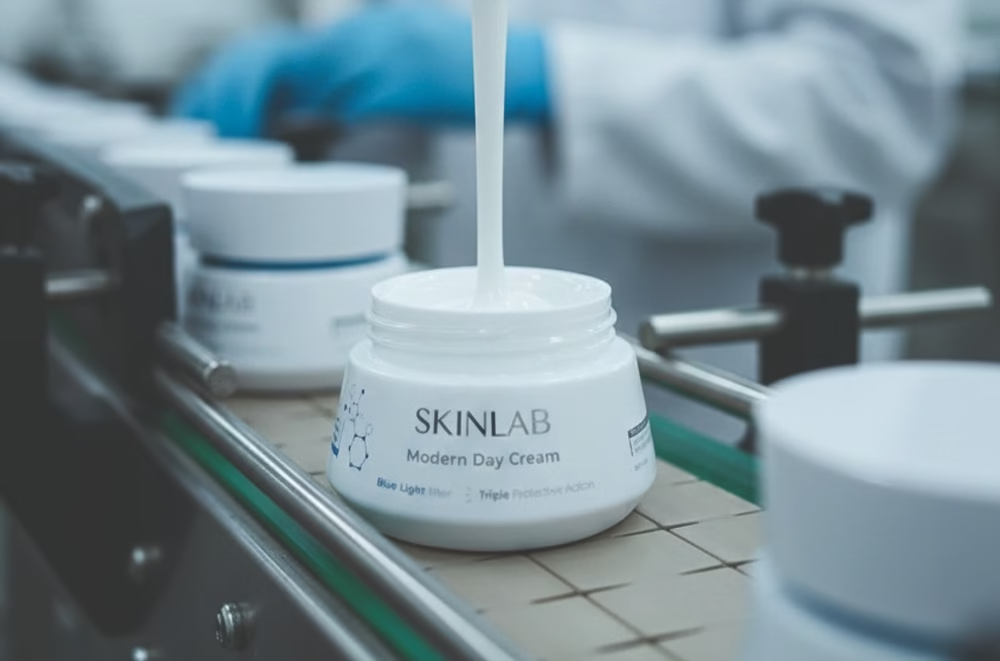
Sustainable sourcing is becoming an important factor in brand positioning and consumer trust.
Quality Control in Ingredient Selection
Before any ingredient is used in production, it undergoes a series of quality checks. These may include purity testing, stability analysis, and safety assessments.
This ensures that only approved and consistent raw materials are used in formulations. Quality control helps reduce risks and ensures that the final product meets expected performance standards.
Conclusion
Ingredient sourcing is a fundamental part of cosmetic manufacturing that directly impacts product quality, performance, and consumer trust. From raw material selection to global supply chain management, every step plays a role in shaping the final product.
With experienced manufacturing partners such as CareLine, brands can ensure that ingredient sourcing is handled with care, consistency, and quality control, supporting safer and more reliable skincare and cosmetic products.